A drain backs up, a pipe drips inside a wall, the boiler quits in January — and before anyone talks about fixing it, the argument starts: is this my bill or my landlord's? Ask in any Seoul expat group and you will get twelve confident, contradictory answers. In Korea the question is more structured than most expats expect, but almost nobody explains it in English. This guide walks through the rules, the exceptions, and — most importantly — the evidence that ends the discussion in your favor.
One thing up front: we are plumbers, not lawyers. What follows describes the general legal framework and what we see on real jobs. For an actual dispute involving serious money, talk to a legal professional or the Korea Legal Aid Corporation (대한법률구조공단, hotline 132), which assists foreigners.
The legal baseline: the landlord must keep the place usable
Article 623 of the Korean Civil Act puts a standing duty on the landlord: hand over the property and keep it in a condition fit for its agreed use for the entire lease. Courts have read this to mean that major repairs — the kind without which you cannot reasonably live in the unit — are the landlord's problem. Deteriorated pipes, a failed boiler, a leak coming from inside the building structure: that is the building itself wearing out, and the building belongs to the landlord.
The tenant is not off the hook, though. Two duties matter:
- Duty of care. You must look after the unit the way a reasonably careful person would. Damage you cause through misuse or neglect is yours to pay for.
- Duty to notify (Article 634). When the unit needs a repair, you must tell the landlord promptly. Sit on a small leak for three months and let it rot the floor, and part of that damage can land on you — not because the leak was your fault, but because the silence was.
Court practice adds one more nuance: trivial, low-cost maintenance that does not affect whether the unit is livable — the sort of thing a tenant can fix with minimal expense — tends to fall on the tenant. A worn faucet washer is a different animal from a corroded supply pipe.
Cause decides it, not the symptom
In practice nearly every case turns on a single question: what caused the problem? The same overflowing toilet can be either party's bill:
- Caused by wet wipes, food waste, a toy, cooking grease → tenant usage → tenant pays.
- Caused by a collapsed or root-invaded line, scale built up over 20 years, or a backup in the building's common stack → building condition → landlord (or the building's management body) pays.
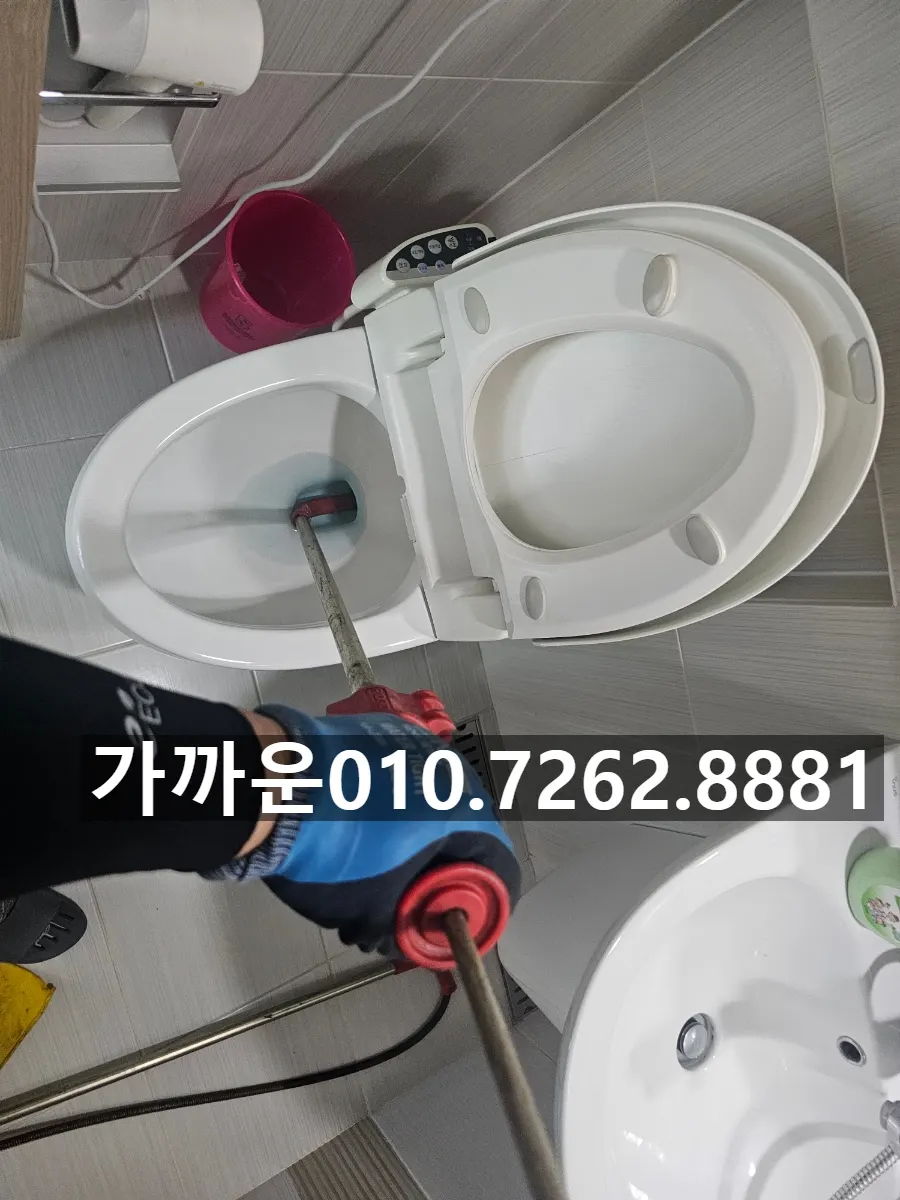
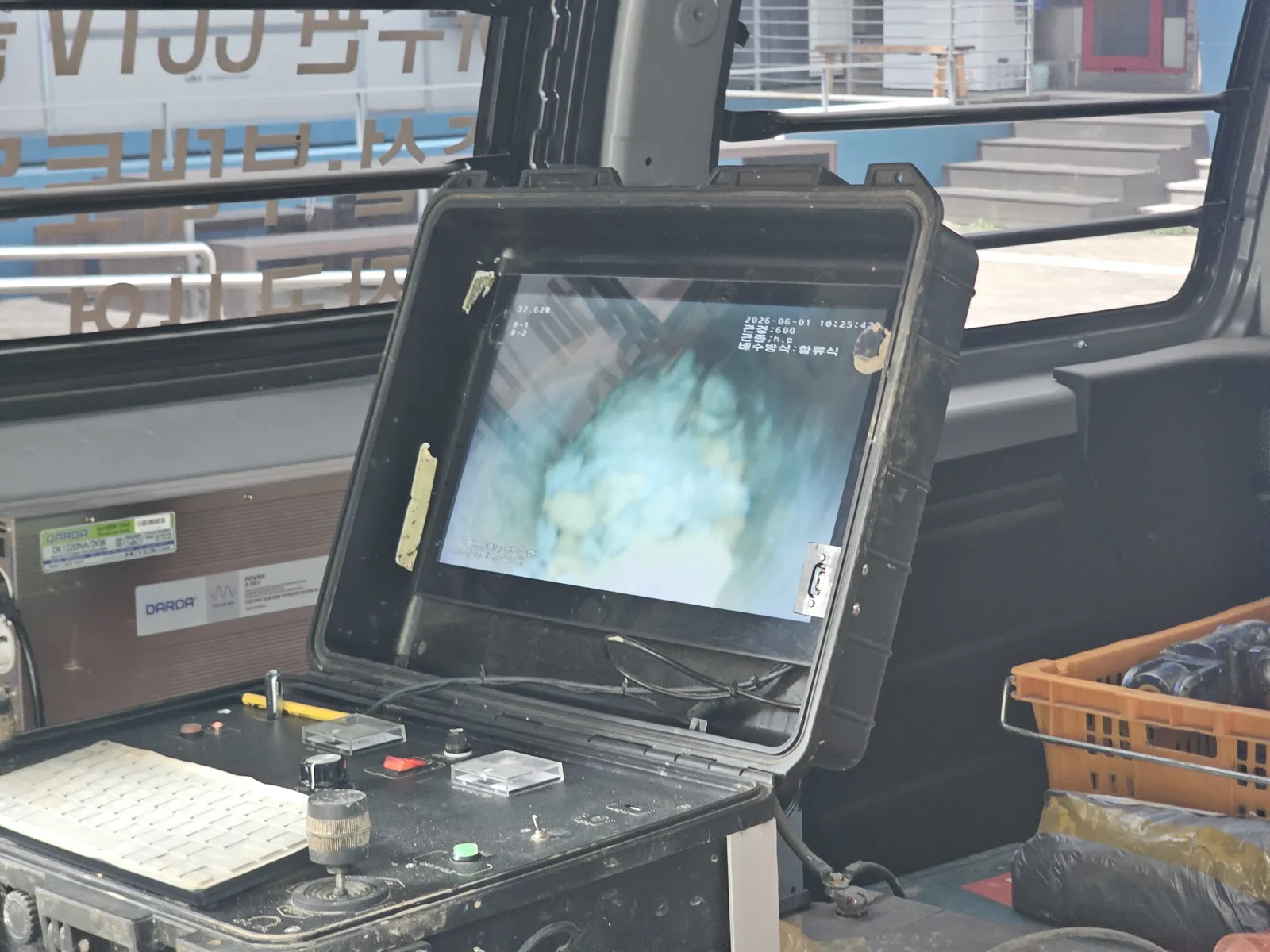
That is why the diagnosis step matters more than the repair itself. When we run a camera into the pipe, we are not just finding the clog — we are producing the answer to the money question, on video.
Typical outcomes, item by item
No table can overrule a contract or a court, but this is how responsibility usually lands in ordinary cases:
| Problem | Usually pays | Why |
|---|---|---|
| Leak from aging or corroded pipes | Landlord | Structural deterioration — the building wearing out. |
| Boiler failure from age | Landlord | Essential equipment; without heat and hot water the unit is not fit for use. |
| Toilet clogged by wipes or a dropped object | Tenant | Caused by use, not by the building. |
| Kitchen line blocked by accumulated grease | Tenant (usually) | Usage-related build-up — though decades-old narrow pipes can shift the balance. |
| Backup from the building's shared stack or main line | Landlord / building management | Common facility outside your unit; in apartments the management office handles it. |
| Dripping faucet, worn cartridge or washer | Negotiable — often tenant | Small consumable; frequently assigned to the tenant, especially in jeonse. |
| Pipe burst while the unit was left unheated in winter | Often tenant | Duty of care — see our frozen pipes guide. |
| Leak from the unit upstairs damaging your ceiling | Upstairs owner/occupant | Their pipe, their bill — often covered by their daily-life liability insurance (일상생활배상책임보험). |
Jeonse vs wolse: same law, different habits
The statute does not distinguish between jeonse (lump-sum deposit) and wolse (monthly rent), but the customs around them do:
- Wolse: you are paying monthly for a functioning home, and landlords generally accept that keeping it functioning is their side of the bargain. Expect the landlord to cover most repairs beyond clear tenant fault.
- Jeonse: the deposit-only structure leads many landlords to treat the arrangement as "you live in it, you maintain the small stuff." Minor repairs and consumables commonly drift to the tenant; big structural items still belong to the owner.
- Check your 특약 (special clauses). Korean lease contracts often carry a clause like "minor repairs and consumables are the tenant's responsibility." Courts give weight to reasonable clauses of this kind — but a clause cannot dump a major structural failure on you. If your contract has one, know what it says before the argument starts.
The right order of operations
- Message the landlord (or the realtor who brokered your lease) first, in writing. KakaoTalk or SMS is fine — the timestamp is the point. Describe the problem, attach photos, and ask how they want to handle it. This satisfies your duty to notify and starts the paper trail.
- Give them a real chance to arrange the repair — with a deadline. The landlord is entitled to use their own contractor, and many prefer to. Set a reasonable time limit in your message ("please let me know by tomorrow how you would like to proceed — water is still coming in"), so stalling has a visible cost.
- In an apartment or officetel, also tell the management office (관리실). If the cause sits in a common line, the repair may be the building's job entirely — and the office already has contractors for it.
- In a genuine emergency, act — then document. Water pouring through a ceiling does not wait for a landlord to answer. Shut the valve, stop the damage, keep every photo and receipt. Necessary expenses the landlord should have borne (필요비) can be claimed back — the Civil Act explicitly allows reimbursement, and your message trail proves you tried to reach them first.
- Get the cause established by someone neutral. A written diagnosis from the technician who opened the pipe beats two people guessing at each other in two languages.
A message that works
Send it with photos — Korean first, so it can be forwarded as-is:
Korean (send this)
안녕하세요, ___호 세입자입니다. [화장실 누수 / 배수구 막힘] 문제가 생겨 사진과 함께 알려드립니다. 확인하시고 수리를 어떻게 진행하실지 회신 부탁드립니다. 상황이 급해서 내일까지 연락이 없으면 우선 업체를 불러 확인하겠습니다.
What it says in English
Hello, I am the tenant in unit ___. A [bathroom leak / blocked drain] problem has come up — photos attached. Please let me know how you would like to proceed with the repair. It is urgent, so if I have not heard back by tomorrow I will have a company come and assess it.
Evidence that actually settles disputes
- Dated photos and video of the symptom, before and after the repair.
- A written quote (견적서) naming the work and the cause.
- A receipt, cash receipt, or tax invoice (세금계산서) proving what was actually paid, to whom.
- The camera footage, when a pipe inspection was involved.
- Your notification messages showing when you reported it.
If the landlord refuses to reimburse a cost that is plainly theirs, that evidence is exactly what the Housing Lease Dispute Conciliation Committee (주택임대차분쟁조정위원회) or a court would ask for. Most disputes never get that far — they end the moment one side produces proper documentation.
Where we fit in
Every job we do can come with the paper that matters: a diagnosis stating the cause in plain terms, photos, the quote you approved before work started, and a cash receipt or tax invoice after payment. We can also explain the finding to your landlord, realtor, or building office directly in Korean. Hand that set over and the conversation usually gets short. When the cause turns out to be the building rather than your unit, we say so — it costs us the job sometimes, and it is still the only honest way to run this business.
Related reading: document your unit's condition when you move in — ten minutes that can spare you every dispute in this article — and what to do when the downstairs neighbour reports water for the leak-specific sequence and the leak report, and how to call a plumber in Korea if you need someone out today.
Stuck in the middle of one of these right now?
Text us photos of the problem. We will tell you what it looks like, the likely price range, and — after we have seen it on site — put the cause in writing. Calls and texts taken any time.
From our own job sites
No stock photos on this site — every image below was taken by our crew on a real call.