It is one of the most-asked questions in every expat forum in Korea: why does my bathroom smell like a sewer? The smell comes and goes, gets worse after trips or on rainy days, and no amount of cleaning products touches it. That is because it is not a cleaning problem — it is a plumbing geometry problem, and it starts with understanding what makes a Korean bathroom different.
Your bathroom is a wet room — and that changes everything
Most Korean bathrooms are 습식 — fully tiled wet rooms where the entire floor is a shower tray. Water from the shower, the sink splash, and the mop all leave through a floor drain, the round or square grate set into the tile (유가 in Korean). Western bathrooms usually have no floor drain at all; Korean bathrooms live and die by theirs. That drain connects your room, more or less directly, to the building's sewage line — and the only thing standing between you and everything in that line is a small plug of water.
The water seal: a moat made of tap water
Every properly built drain holds a trap — a bend or cup that stays full of water, so sewer air cannot flow backward into the room. The smell appears the moment that water disappears. And it disappears easily:
- Evaporation. The floor drain trap in many Korean bathrooms is shallow — often a simple bell-shaped cup under the grate. Go on vacation for two weeks, or simply use a second bathroom rarely, and the seal dries out. The room then ventilates the sewer.
- The cup was removed. Cleaning crews and previous tenants routinely lift the grate, pull out the little plastic insert underneath, and never put it back. No insert, no seal, permanent smell.
- Pressure swings. Heavy rain, a full building stack, or a poorly vented line can push air through (or siphon water out of) a shallow trap. If the drain burps and gurgles during storms or when neighbors run water, this is your suspect.
The five-minute fixes, in order
- Pour a liter of water into every drain — bathroom floor, second bathroom, veranda, any drain you rarely use. If the smell fades within a few hours, the mystery is solved: evaporated seals. Make it a routine after every trip.
- Lift the grate and look. There should be a removable insert or visible water pocket under it. Missing insert? Any Daiso or hardware store (철물점) sells cheap replacement drain traps — take a photo of your drain opening so you buy the right diameter.
- Upgrade the trap. Silicone one-way drain valves (하수구 냄새 차단 트랩) cost little and drop straight into most Korean floor drains. They let water down and block air coming up — the single best won-for-won improvement a smelly bathroom can get.
- Check the washing machine hose. On many verandas the drain hose is shoved loosely into an open standpipe or floor drain with no seal at all — a straight air path from the sewer to your laundry. Seal the gap with a rubber hose adapter or a purpose-made trap fitting.
- Clean the hair and biofilm out of the sink pop-up and drain mouths. Some "sewer smell" is actually the greasy film lining the first 20cm of the drain. A bottle brush and hot water with baking soda deal with it. (Skip the caustic chemicals — they do little against film and make later repair work hazardous.)
Not sure which drain is guilty? Run the tape test
A bathroom has more openings than most people realize: the floor drain, the sink drain, the sink's overflow hole, the toilet base, the washing machine standpipe, sometimes a second drain under the tub. To isolate the source, seal one suspect at a time with wide packing tape (drains only — never tape the toilet), leave the room closed for a few hours, and smell again. When the odor stops, you have your culprit; when it continues with every drain sealed, suspicion shifts to the toilet's wax seal at the base or to a pipe joint behind the wall — both proper repair territory. The kitchen has its own version of this problem, by the way: a smelly sink there usually means the hose-to-standpipe connection under the cabinet or grease rotting in the line, which is its own service call with its own fix.
When it is not the trap
If every seal is wet, the inserts are in place, and the smell still returns, stop buying gadgets — the problem is further down, and it is worth diagnosing properly:
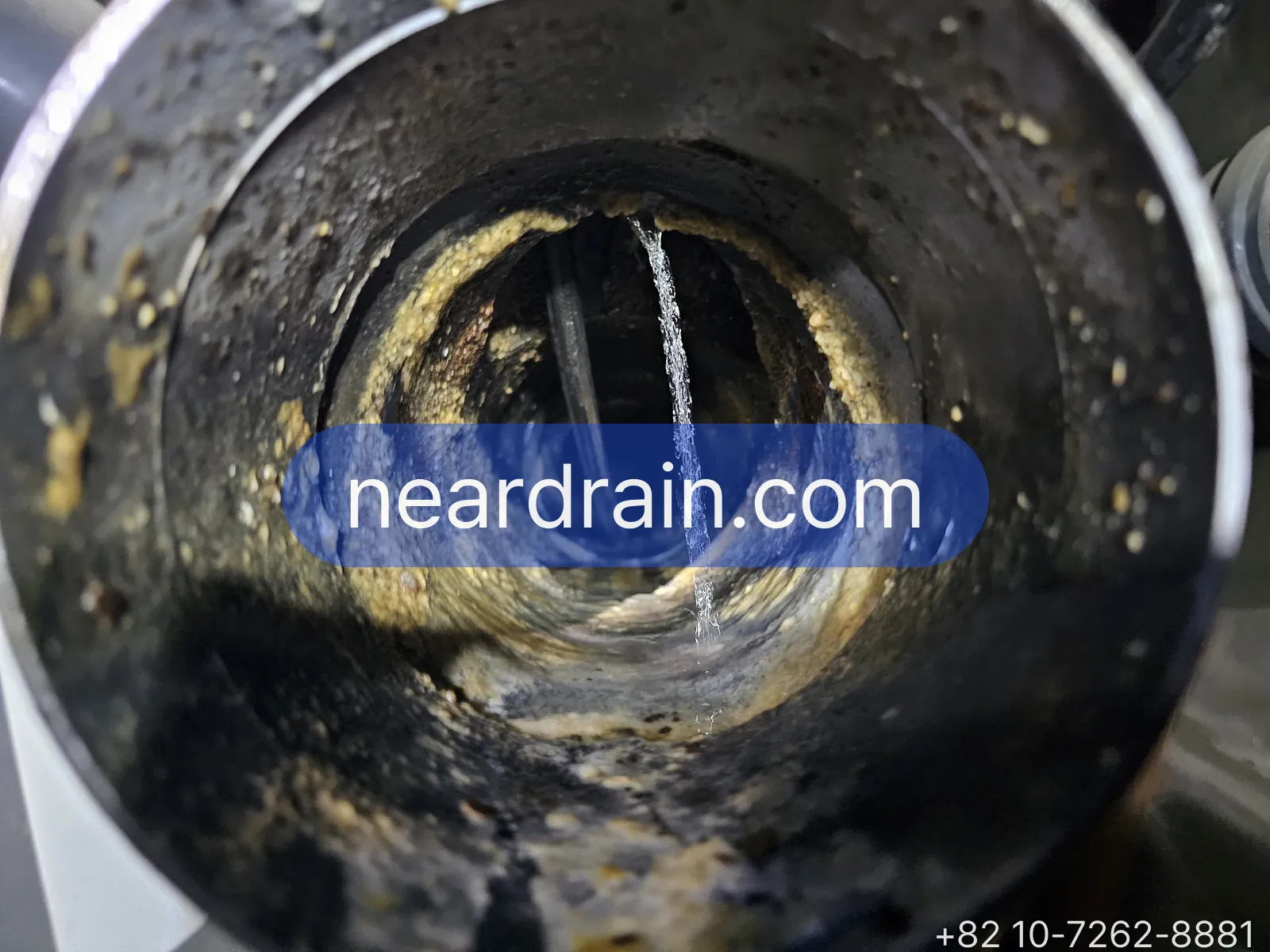
- A partial blockage rotting in the line. Slow drainage plus smell usually means build-up — our floor and shower drain service clears it mechanically rather than masking it.
- A cracked or disjointed pipe under the floor or in the wall. Persistent smell in one spot, damp tile joints, or a downstairs neighbor reporting stains point here. A camera inspection finds it without demolition guesswork.
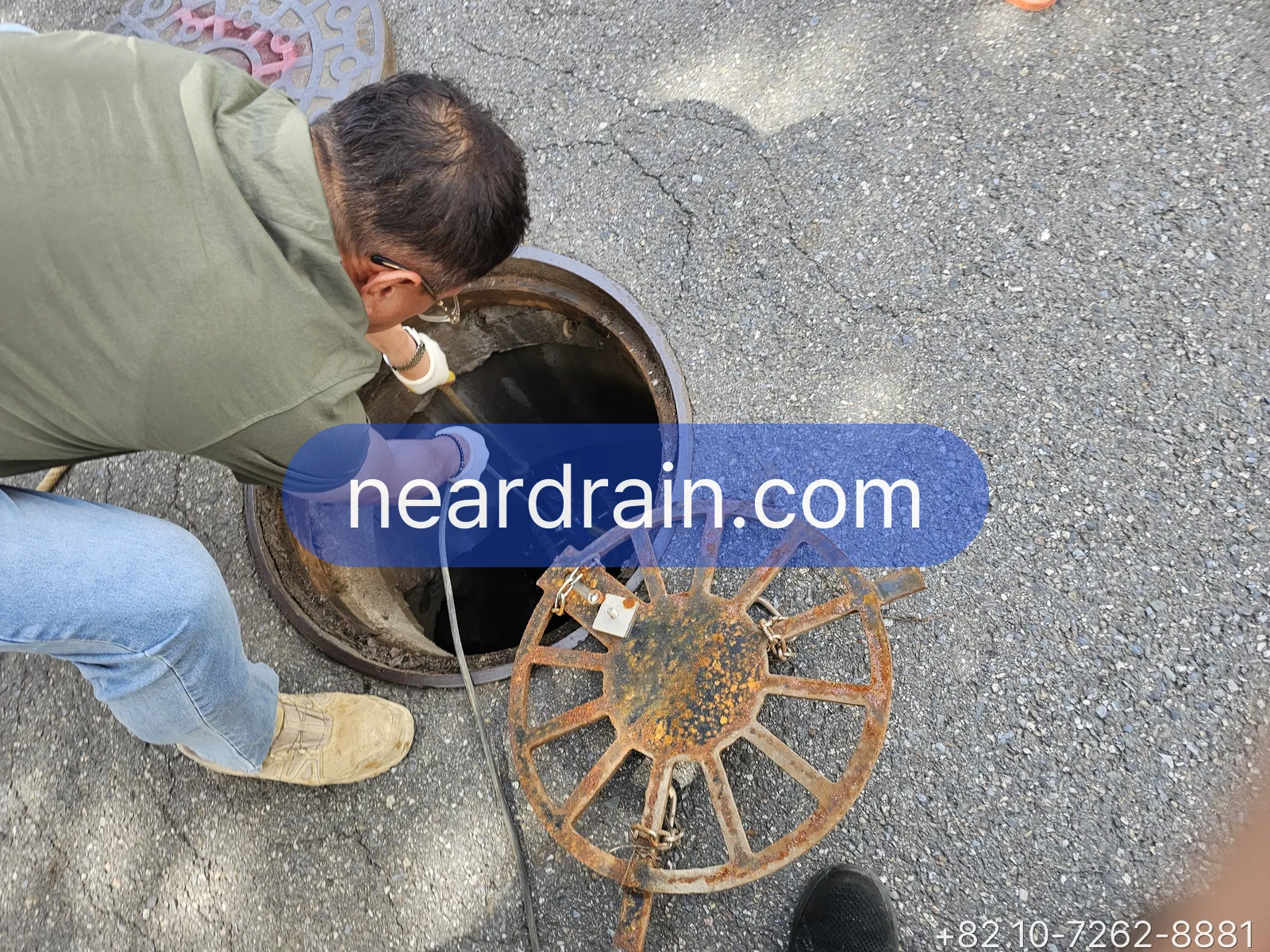
- Building-side problems. In apartments, a clogged common stack or failed vent affects several units at once — if neighbors smell it too, involve the management office. (Who pays for what in that scenario: landlord vs tenant guide.)
A note on season: the smell files a lot of complaints in summer. Heat speeds evaporation and amplifies odor, and monsoon-season pressure swings test every weak trap in the building. If your bathroom only misbehaves in July and August, run the water-pouring routine weekly and the odds are good you will never need us. Just moved in and greeted by the smell on day one? Note it in writing immediately — the move-in checklist explains why the timestamp matters.
Still smelling it? What a visit actually covers
Smell itself is not a repair we sell — the pipe work behind it is. If the routine above has not found the cause, text us a photo of your floor drain (grate lifted, if you can) and tell us when the smell is worst. From that we can usually say which piece of work applies: a floor-trap (유가) replacement, a dried or missing seal insert, a vent check, or a camera look at a shared line. If a visit is needed, the price is fixed on site before any work starts; calls and texts taken any time.
From our own job sites
No stock photos on this site — every image below was taken by our crew on a real call.