Home › Services › Faucet & fixture replacement
Small Fixtures, Honest Math: Labor + Parts at What They Cost
Fixture jobs are where padded invoices love to hide — a mystery "part" here, a doubled markup there. We do it differently: labor is quoted before we start, and parts are billed at market price with the actual receipt shown to you. Two numbers, both visible.
The jobs on this page
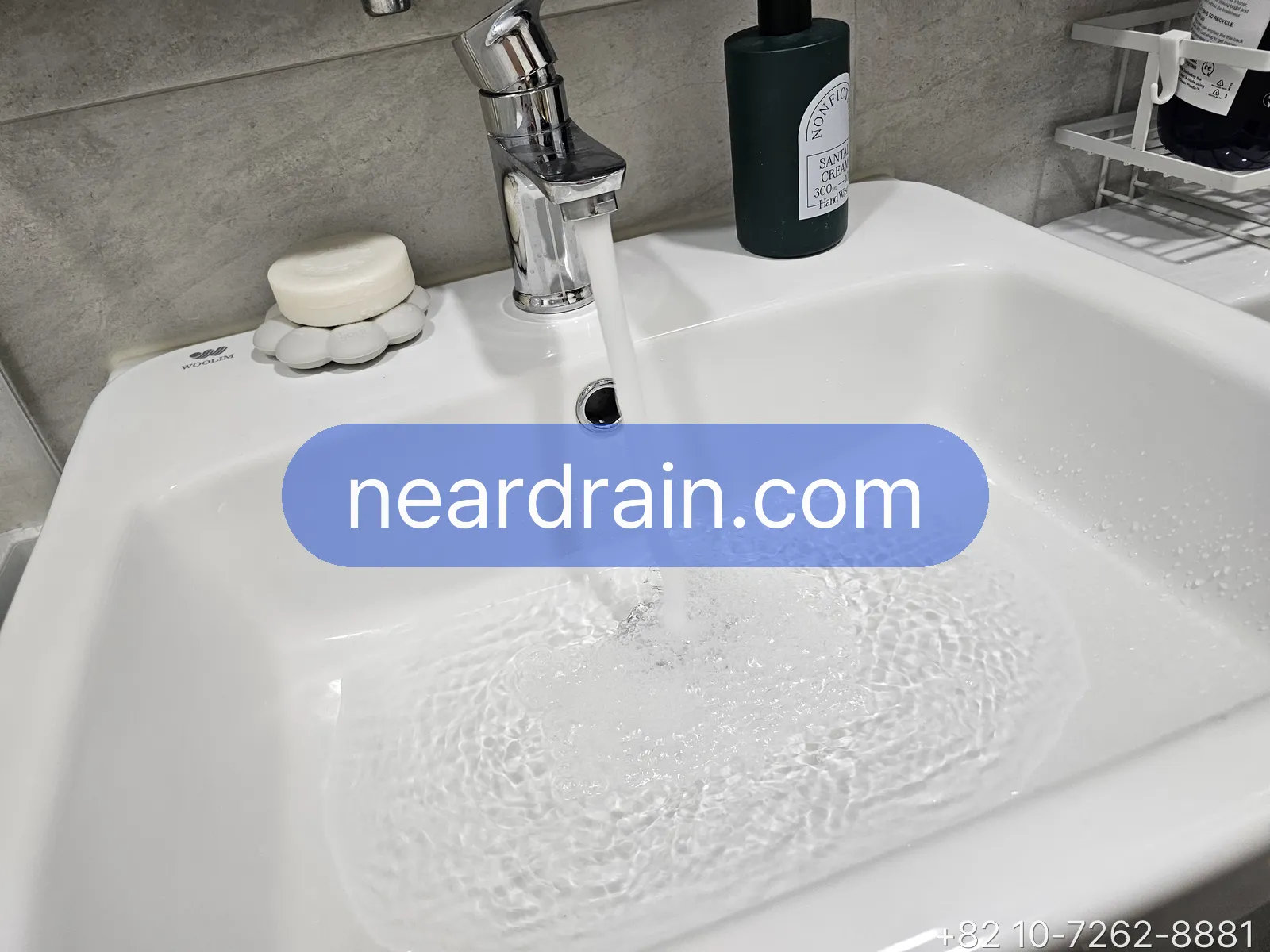
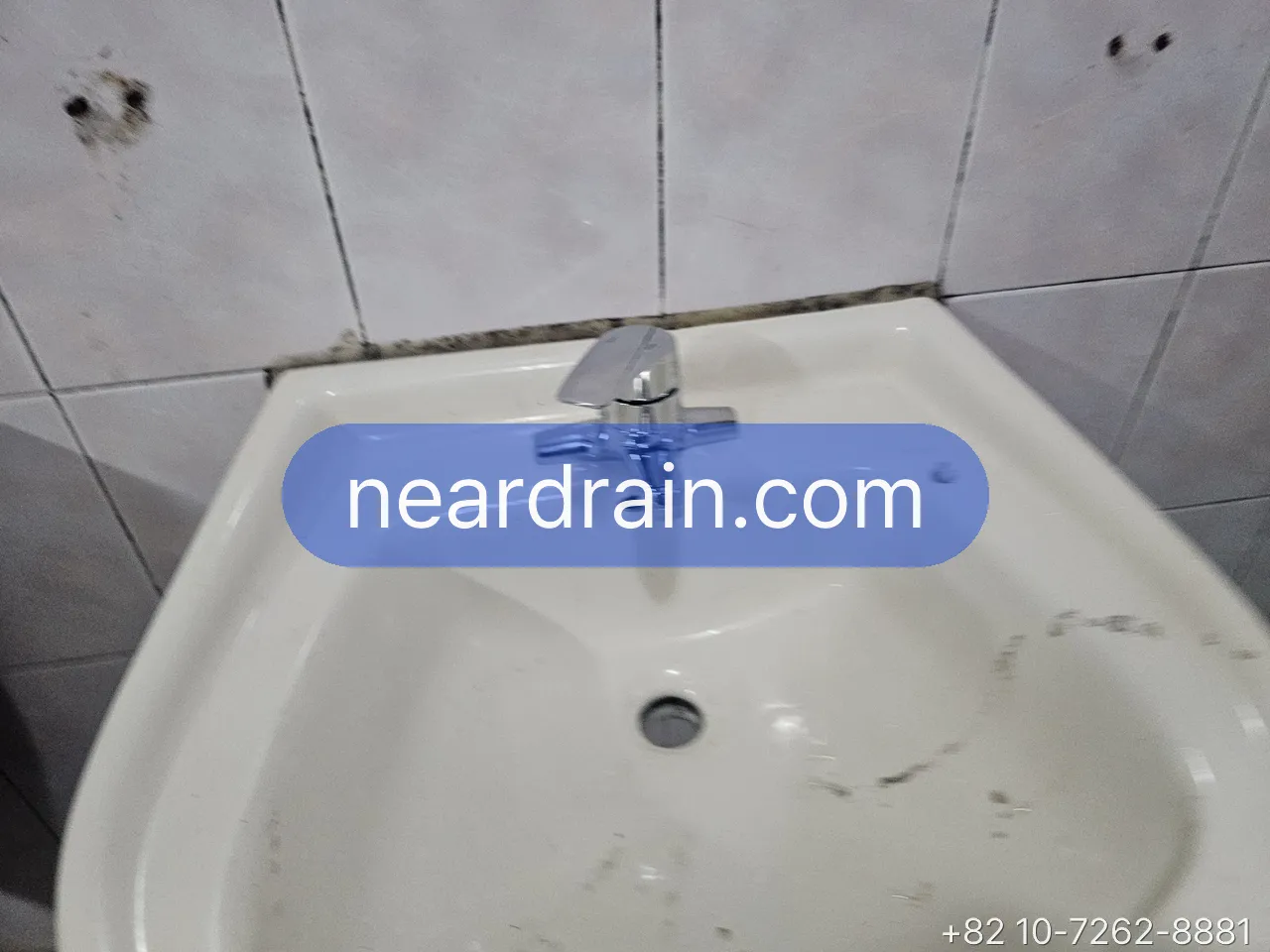
- A dripping tap — bathroom sink faucet, kitchen faucet or shower mixer that keeps going drip-drip after you close it — usually a worn cartridge inside the single-lever body
- Hot/cold handle that spins without doing anything, a lever that has gone stiff or loose, or a kitchen sink faucet whose pull-out spray hose leaks under the counter
- Shower mixer running lukewarm no matter the dial, or hot and cold arriving reversed after someone else's repair
- A bidet seat to install on a Korean toilet — including the T-valve at the wall, the usual drip point
- Washing machine tap that won't close fully, or an angle valve under the sink seized with scale
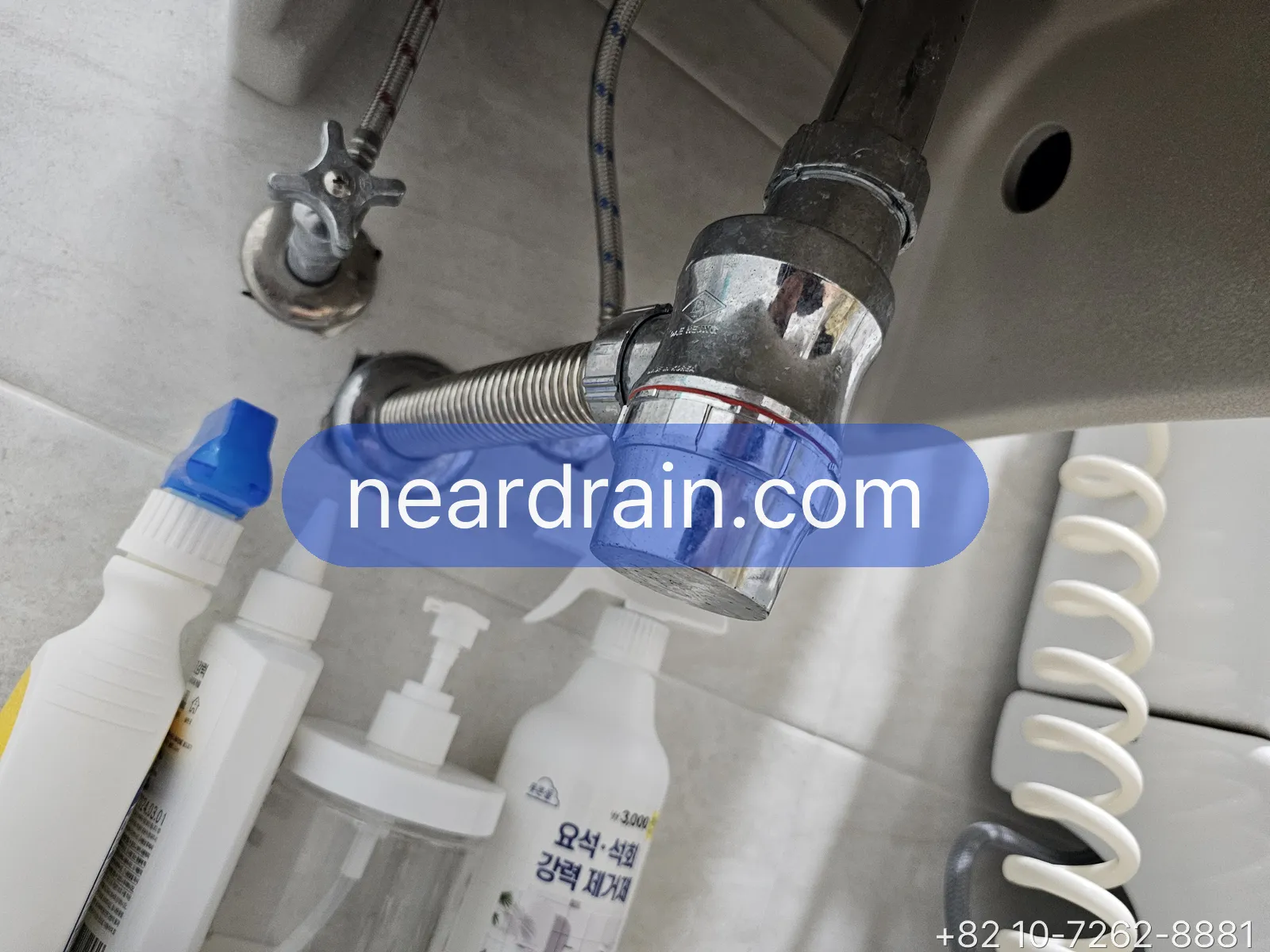
- A loose, wobbling faucet body, a pop-up sink stopper (drain plug) that quit, a leaking angle valve or supply hose under the basin, or a banging pipe (water hammer) when a tap shuts
- Weak flow at one fixture only while the rest of the home runs fine — often the cartridge or clogged internals, not the building pressure
Bought your own faucet, shower set, or bidet seat online? Text us the product page link with a photo of your current fixture and the wall connection. We confirm it fits Korean plumbing standards before we come — much better than discovering a mismatch with your water shut off.
How a fixture visit runs
1 · Photo of the fixture and connection
The fixture itself plus where it meets the wall or counter. That identifies the type and lets us bring matching parts or cartridges on the first trip.
2 · Labor quoted, parts priced open
Parts at market price with receipt, named in the quote before you approve; labor confirmed before work. You approve labor and the parts approach — including the VAT-included total — before we pick up a wrench.
3 · Replace and seal properly
Water off, old unit out, new one seated with fresh sealing tape and washers — including the connections you can't see once everything is back together.
4 · Pressure check and paperwork
We run the fixture under full pressure, check every joint dry, then hand you the parts receipt alongside the card slip, cash receipt, or tax invoice.
Price
Fixed quote on site · VAT 10% separate
Parts at market price with receipt, named in the quote before you approve; labor confirmed before work.
- Fixed quote before work starts — you agree to the number first. If the scope turns out to be different mid-job, we stop and explain before anything continues.
- Card payment accepted. Cash receipt or corporate tax invoice (세금계산서) issued on request.
- VAT 10% is quoted separately, and we tell you the VAT-included total before starting.
Renting? Check before you upgrade
Repairs to a failing fixture are one thing; swapping hardware for taste is another. If you rent, a quick message to your landlord before replacing a faucet or shower set avoids deposit arguments at move-out — and if the old fixture simply wore out, the cost may not be yours at all. The guide below covers how that line is usually drawn in Korea.
Korean shower faucets: wall-mount mixer, hand-shower vs rain-head (해바라기), diverter
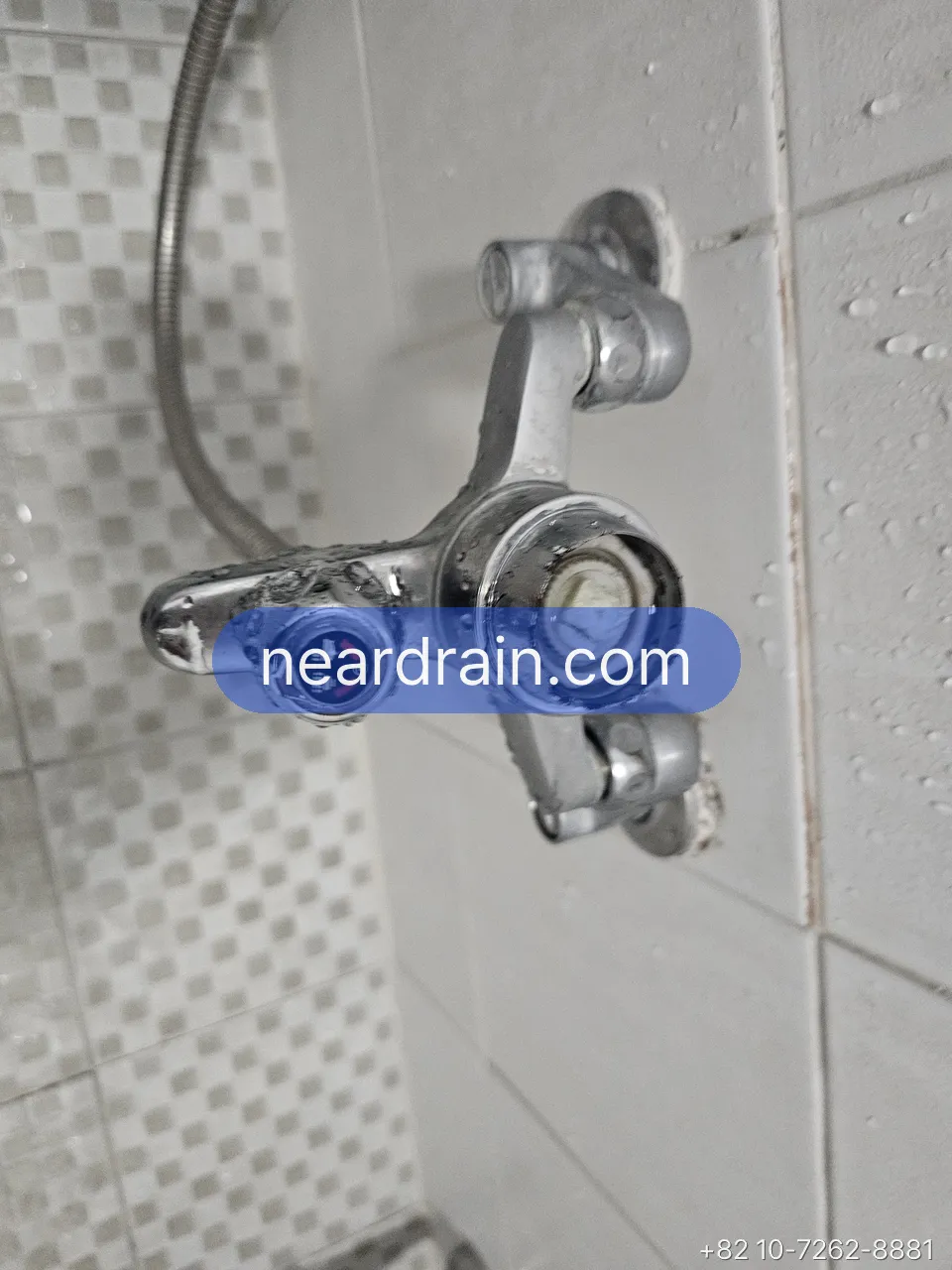
Most Seoul bathrooms use a wall-mounted two-handle or single-lever mixer (샤워 수전) fed by two exposed eccentric fittings — not the concealed valve behind tile that many expats grew up with. That changes what a replacement involves.
Wall-mount mixer swap
The new body goes onto the same two wall fittings (편심), so a like-for-like swap is usually an hour's work with no tiling. Where the wall spacing is off-standard, the eccentric fittings are adjusted or replaced — we tell you which before quoting.
Rain-head (해바라기) and diverter
An overhead rain-head set adds a riser and a diverter that sends water to hand-shower or head. Diverters are the part that fails: water dribbling from both, or the head never fully switching. Often the cartridge alone is replaceable; sometimes the whole set makes more sense, and we price both.
Wall faucet (벽수전) at the kitchen sink
Older kitchens have a wall-mounted sink tap. Converting to a deck-mounted mixer means capping the wall outlets and adding supply lines under the counter — possible, but it is a conversion, not a swap, and we quote it as one.
Basin pop-up stopper (세면대 팝업) stuck or leaking
The lift-rod pop-up in a Korean basin is a common failure: the stopper no longer seals, the rod disconnects, or the drain body under the basin weeps onto the cabinet floor. Usually a drain-body replacement; the visit includes clearing the hair that stalled it.
Two questions we get about taps
My tap just drips. Do you replace the cartridge or the whole faucet?
We check on site before deciding. If the faucet body is sound and a matching cartridge (or washer/seal) exists for that model, replacing the cartridge is the cheaper fix and we say so. If the body is corroded, the finish is flaking, the model is discontinued, or the cartridge alone would not stop the drip for long, we recommend replacing the whole faucet — and explain why before you approve either option. Both routes get a fixed figure on site, VAT spelled out.
I already bought the faucet / shower set / bidet seat myself. Can you just install it?
Yes — installation only is a normal job for us, and you are not obliged to buy the part through us. Text us the product page and a photo of your current fixture and wall connection so we can confirm it fits Korean standard fittings (15 mm / 1/2-inch threads, wall spacing on bath mixers) before we come. If an adapter or a new angle valve is needed, it is named in the quote first, at market price with the receipt.
Related reading
No hot water? Three different causes, three different people to call
Weak shower, slow tap (수압 약할때): where Korean apartments lose pressure, in the order to check
The Korean shower faucet: how it is put together, what fails, and what to buy before you call anyone
English by text (SMS) works best. Phone calls are fine in Korean or Japanese.
From our own job sites
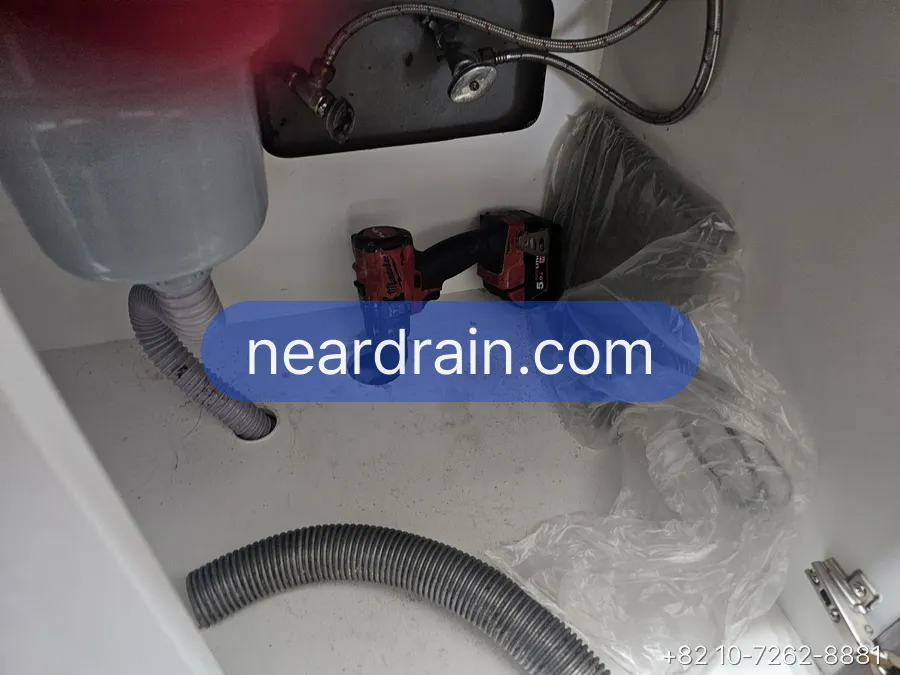
No stock photos on this site — every image below was taken by our crew on a real call.